
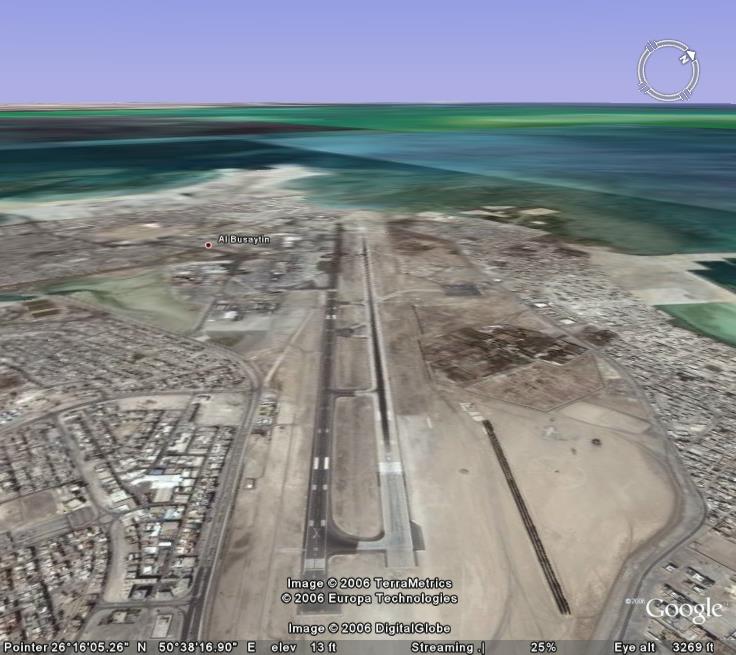
A pilot on short final is looking for a long grey rectangle with a centre line down it. If you have built a parallel taxiway the same width as your runway, and lit it well, you have built two of those. Occasionally somebody lands on the wrong one.
This is not a training problem, nor is it a competence problem. It is a design problem that gets handed to the flight crew at the moment of their highest workload, and it is almost always inherited — nobody sets out to build a decoy runway. It happens when a taxiway is widened, or shoulders added for a larger code letter, or when a runway is narrowed on paper without the paint changing on the ground.
At 200 ft the crew has fewer discriminators than people assume. Runway markings are white and taxiway markings are yellow, which is no help at all in poor visibility or the wet. Runway edge lights are variable white — though they may be yellow over the last 600 m, or one third of the length. Taxiway edge lights are blue and taxiway centre line lights are green, except on an exit, where they alternate green and yellow out to the ILS critical area boundary. Two of those exceptions sit near the threshold, which is exactly where you least want the cue to be ambiguous.
None of these is expensive. What is expensive is the alternative.
The full introduction to aerodrome compliance and certification — how the curriculum is structured, what certification is actually for, and how these decisions get made in practice. No card, no call.
Start Module 0